

Upholstery Tools and Workshop Requirements
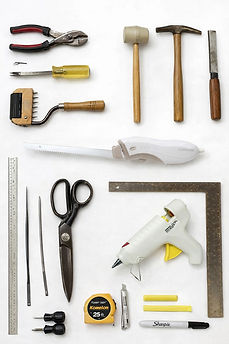
Essential upholstery tools and how they impact quality work
When people think about upholstery, they usually focus on fabric and design. But behind every high-quality piece is something just as important: the tools.
Professional upholstery requires specific tools that directly affect the final result. Understanding these tools can help you see the difference between basic work and true craftsmanship.
Why tools matter in upholstery
In upholstery, precision is everything. From cutting fabric to stretching webbing and securing materials, each step requires the right tool for the job.
Using proper tools not only improves the quality of the work but also helps preserve the structure of the furniture and ensures long-lasting results.
The most important upholstery tools
One of the most essential tools is the upholstery hammer, often called a tack hammer. These hammers are specially designed for upholstery work and allow for precise placement of tacks without damaging the surrounding wood.
There are different types of upholstery hammers, including models with ringed shafts, pear-shaped handles, and smaller heads used for delicate work on exposed wood furniture.
Cutting tools are also critical. High-quality scissors and sharp knives are used to cut fabric, trim materials, and create clean finishes. A good pair of scissors can last an upholsterer for years if properly maintained.
Another key tool is the webbing stretcher. This tool is used to pull webbing tight across the frame, creating the foundation for strong and supportive seating. Proper tension is essential for comfort and durability.
Upholstery also relies heavily on specialized needles and stitching tools. These tools allow for detailed hand stitching and adjustments to the internal structure of the furniture, ensuring both strength and shape.
Tools for repair and preparation
Before any upholstery work begins, the furniture must be properly prepared.
Tools like ripping chisels, mallets, and pincers are used to remove old materials carefully without damaging the frame. This step is crucial for restoring the piece correctly and ensuring the new upholstery will last.
The difference between professional and amateur work
What separates professional upholstery from basic repairs is not just skill, but also the tools and techniques used.
Professional upholsterers use specialized equipment and years of experience to achieve clean lines, strong structure, and long-lasting results. Even small details, like how fabric is cut or how webbing is stretched, can make a big difference in the final outcome.
Final thoughts
Upholstery is a craft that combines skill, experience, and the right tools. Every step, from preparation to finishing, depends on precision and attention to detail.
If you’re in Boston or the South Shore of Massachusetts and are considering reupholstering your furniture, working with a professional ensures that every part of the process is done correctly from the inside structure to the final fabric.
Feel free to
anytime if you have questions or want to learn more about your options.
Continue Reading

Comments